
Insights & Articles
The thinking behind better-built protection systems.
Practical insights from projects, failures, detailing, materials and execution — shared to help build better, longer-lasting structures.
Field notes
Three patterns that repeat everywhere.
01
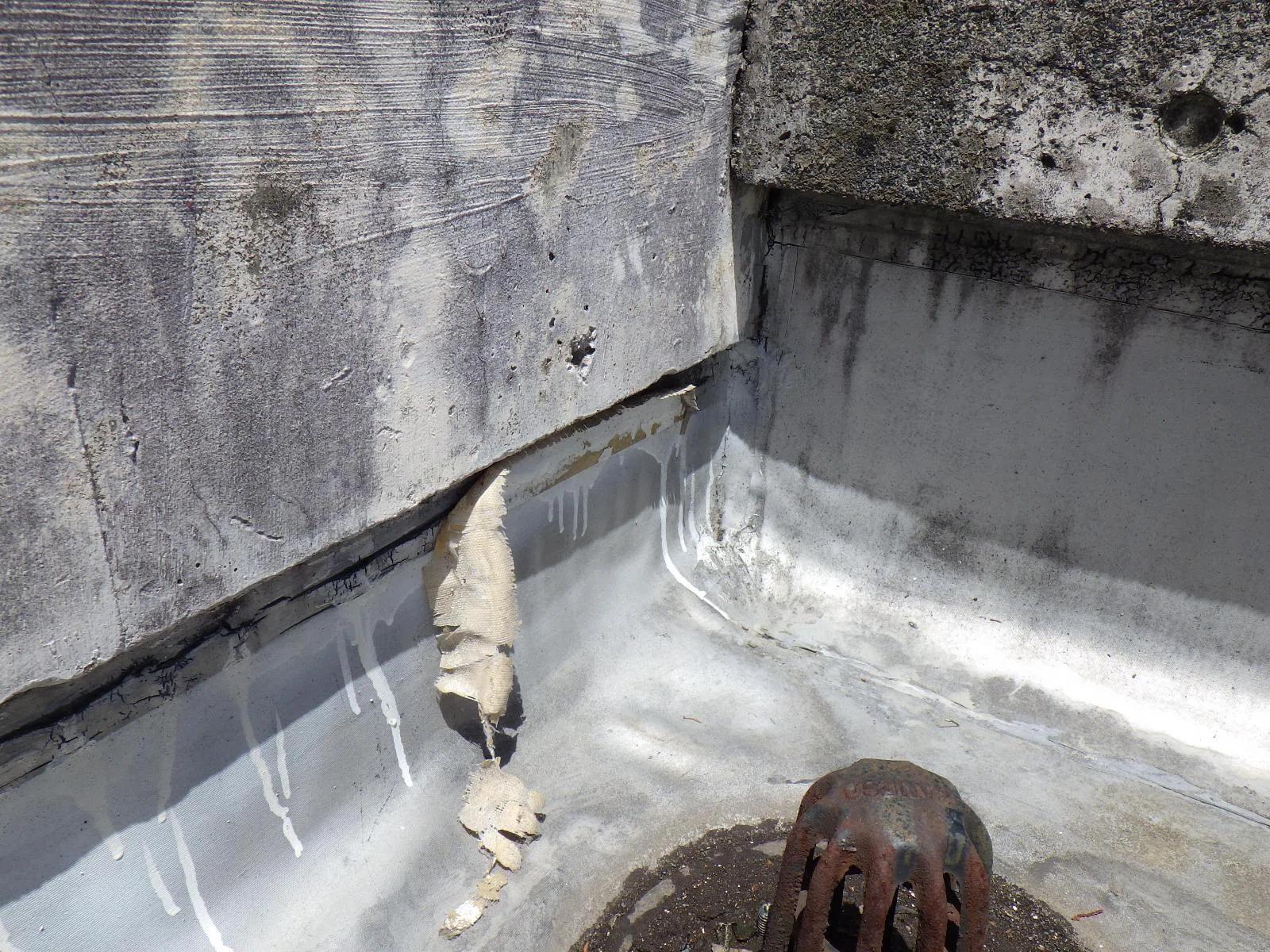
Water does not enter through the middle of a membrane
It enters at parapet upstands, outlets, penetrations, thresholds and joints. When we review a failed roof, the field of the membrane is nearly always intact. Detailing is where waterproofing is won or lost — and detailing is a supervision cost, which is exactly what gets cut to reach the lowest rate.
02
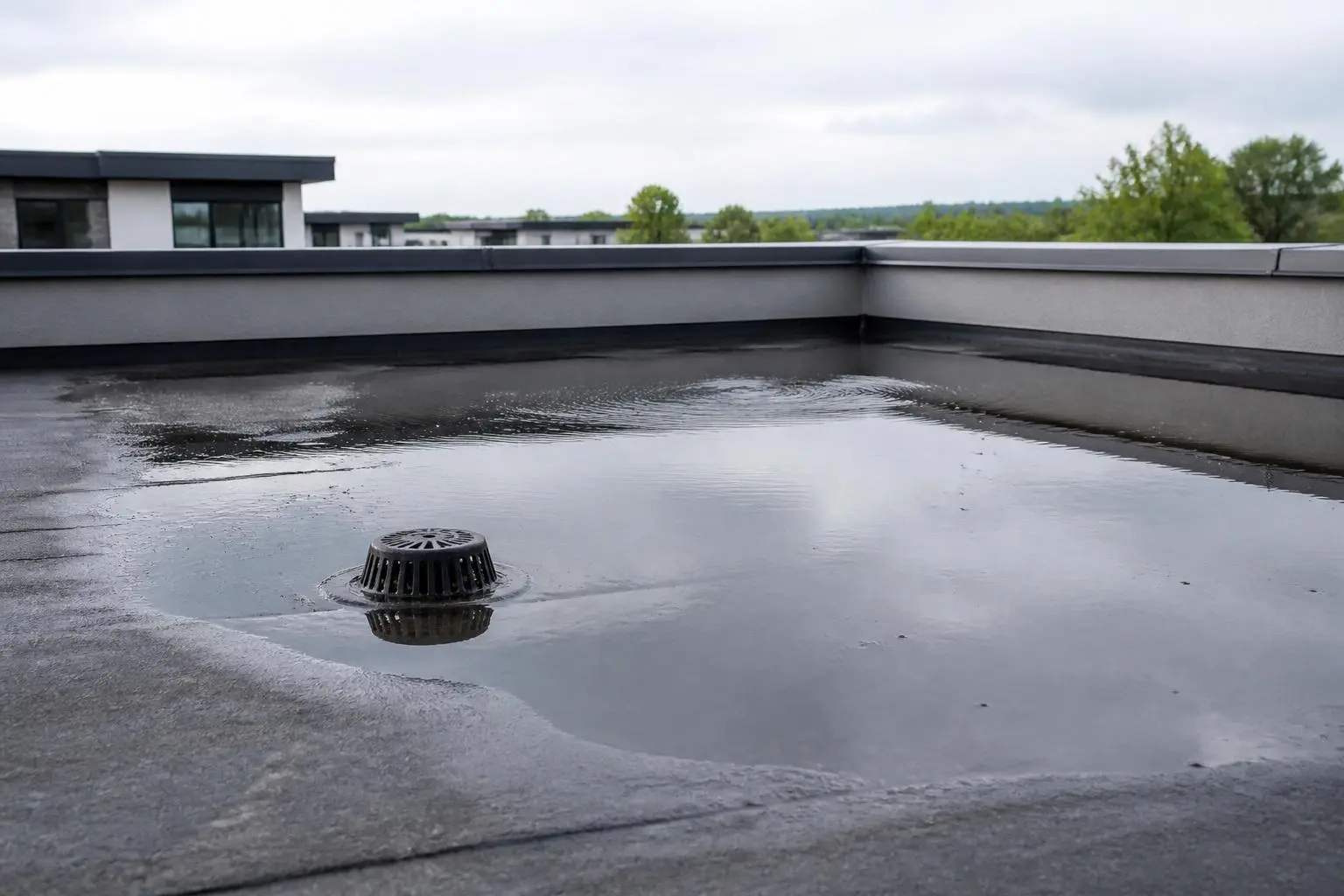
Ponding water is a specification failure, not a maintenance one
If water stands on a terrace for more than 48 hours, no membrane will get the design life you were promised. Falls, outlet levels and screed correction belong inside the waterproofing scope. When they are excluded from a quotation, the risk has simply been transferred to you.
03
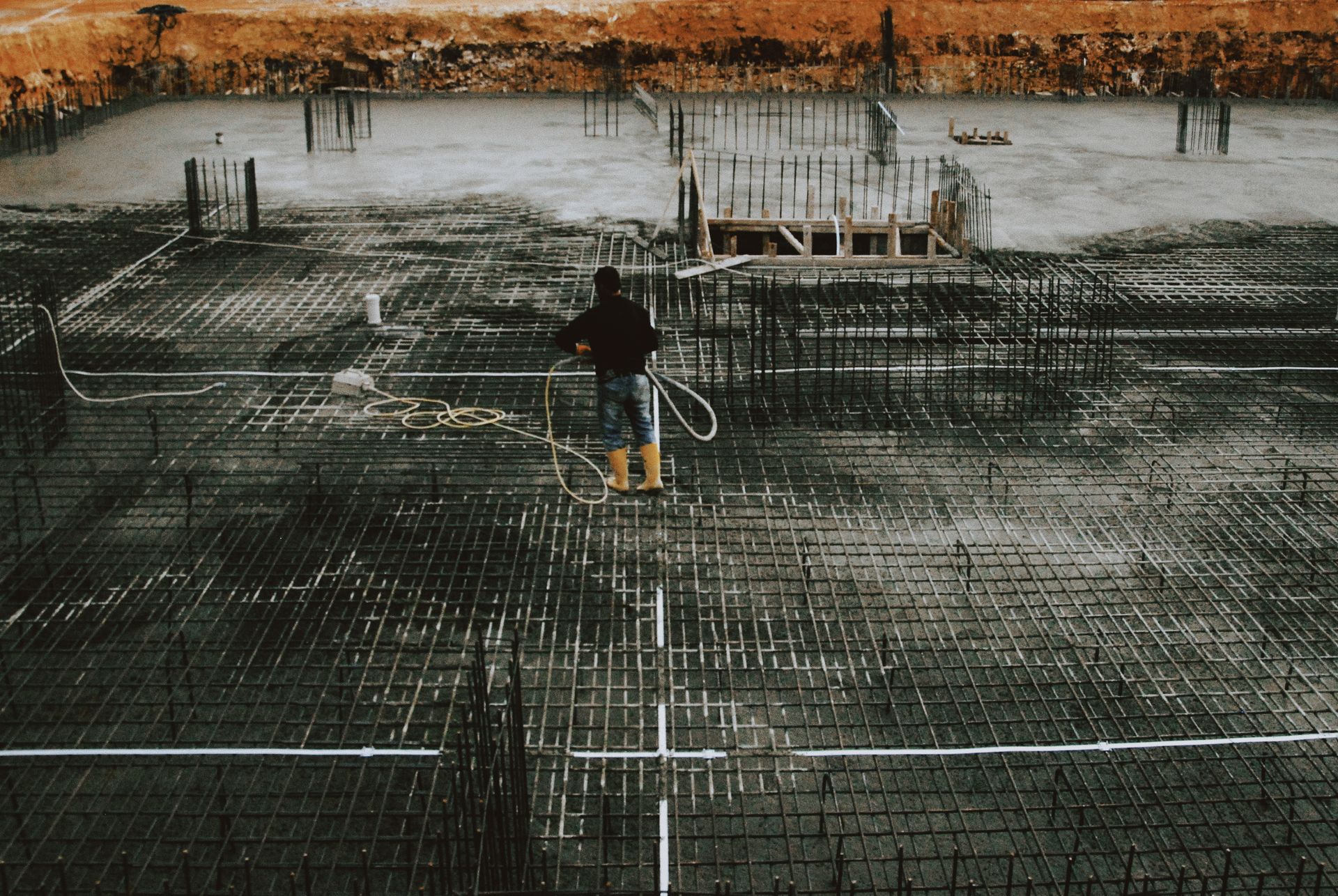
Below ground, you get one attempt
Once the raft is cast and the walls backfilled, the outside face of the structure is gone for good. That is why pre-applied bonded systems earn their premium: an unbonded sheet lets water track between membrane and concrete, so the leak appears nowhere near the breach.
Longer reads
Latest articles.
Written by our technical team for engineers, project managers and facility teams.
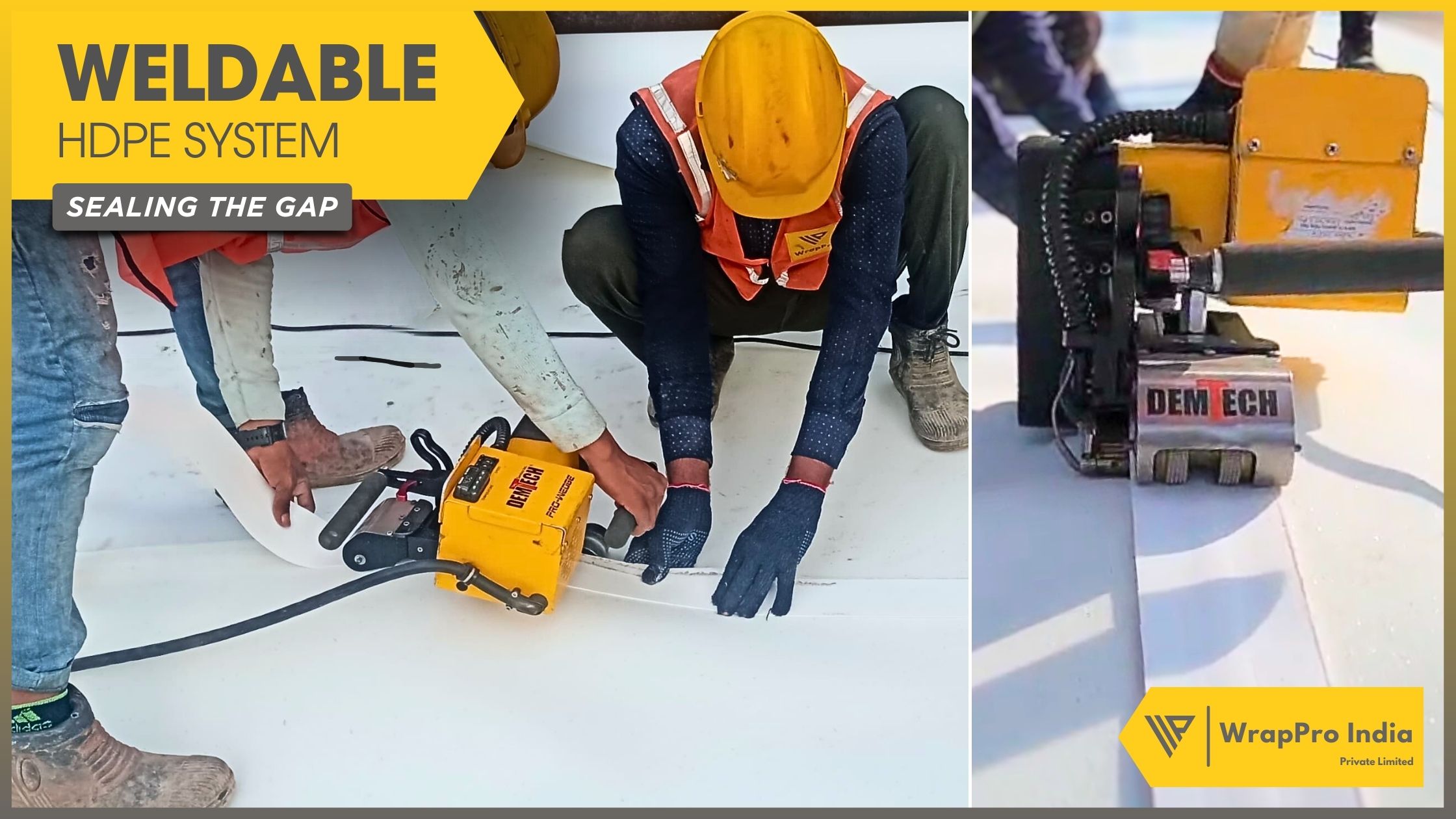
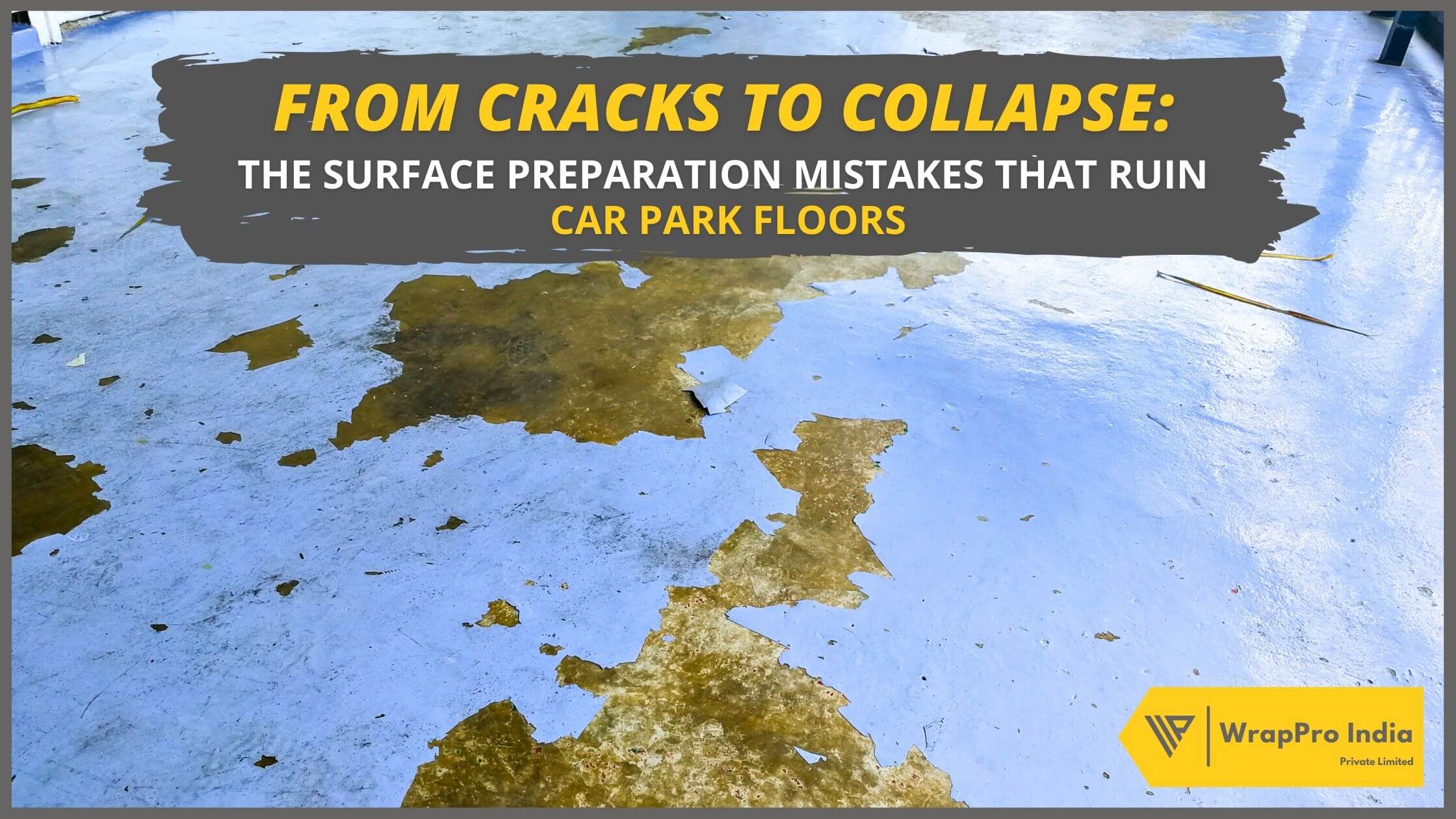
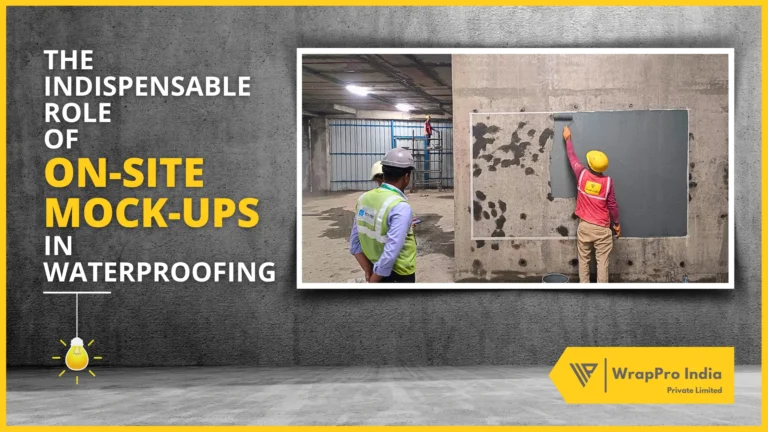
Straight answers
Questions worth asking any contractor.
WrapPro focuses on preventing waterproofing failures before they become expensive problems.
We work closely with Developers, Architects, Consultants and project teams to review critical details, execution interfaces, substrates, penetrations, joints, sequencing and site conditions before and during execution.
Our approach is built around early risk identification, disciplined execution, quality control, testing and documented handover.
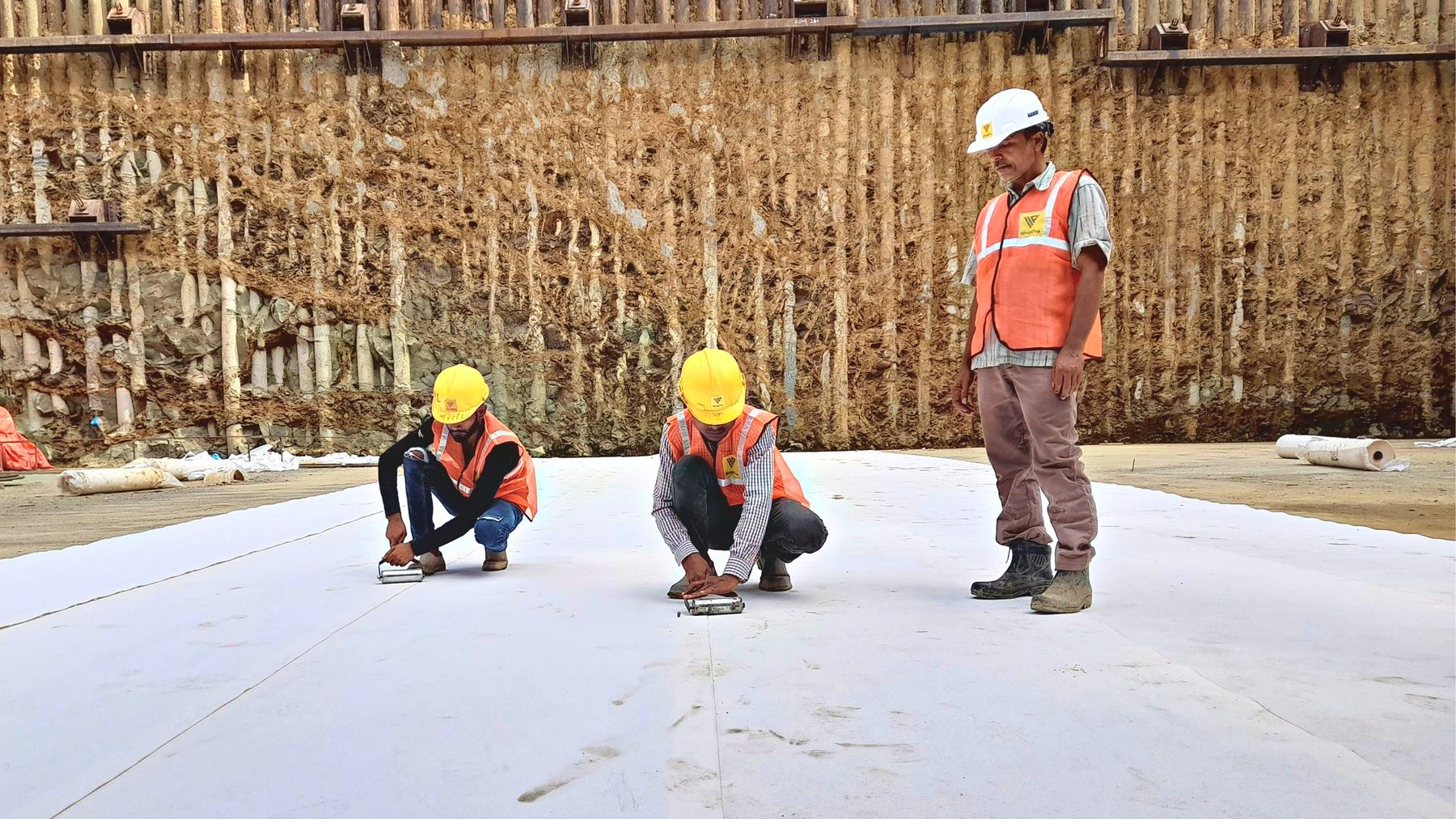
Waterproofing failures rarely happen because of one product alone. They usually result from poor detailing, weak execution, interface failures or inadequate quality control.
WrapPro therefore manages waterproofing as a complete project responsibility — from detailing and substrate preparation to application, supervision, inspection, testing and closure.
The objective is simple: identify and correct potential failures before handover, not after leakage begins.
WrapPro works as an extension of the project team rather than as an isolated contractor.
We coordinate with Architects, Waterproofing Consultants, PMCs, Developers and site teams on technical submissions, method statements, execution sequencing, inspections, approvals, testing and project closure.
Our role is to make the waterproofing package easier to manage, not create another layer of coordination for the client.
Large projects require systems, not dependence on individual applicators or supervisors.
WrapPro follows structured processes for manpower planning, material control, execution methodology, supervision, QA/QC, progress monitoring, reporting, testing and snag closure.
This helps clients achieve more predictable outcomes across large areas, multiple towers and multiple project locations.
Our objective is to reduce the management burden on the client.
Once the scope, specifications, responsibilities and approvals are clearly defined, WrapPro takes ownership of execution planning, manpower, materials, supervision, quality control, coordination and reporting within the agreed scope.
Your team remains informed and in control without having to manage day-to-day waterproofing execution.
We believe problems should be surfaced early, documented clearly and resolved quickly.
If a technical, quality, sequencing or site-related issue is identified, our team escalates it, coordinates with the relevant stakeholders and works towards a practical corrective solution before the issue progresses further.
We prefer early intervention over explaining failures after completion.
Where applicable, WrapPro incorporates inspection, testing, snag closure and documented quality checks as part of the handover process.
Depending on the system, this may include area inspections, detailing checks, pond testing, membrane integrity testing or other suitable verification methods.
The objective is to give the client greater confidence in the completed waterproofing before subsequent finishes conceal the system.
Professional clients require visibility, not assumptions.
WrapPro maintains structured communication through progress reporting, quality records, inspection documentation, material tracking, testing records and coordination with the client team.
This gives project stakeholders better visibility into what has been completed, what requires attention and what is pending for closure.
Yes.
WrapPro is structured to manage technically demanding waterproofing packages involving multiple areas, interfaces, stakeholders and execution teams.
Our strength lies in combining technical understanding, trained supervision, project management, QA/QC, documentation and accountability under one specialised waterproofing contractor.
You should expect structured mobilisation, clear communication, planned execution, professional coordination, disciplined quality control, timely reporting and accountable project closure.
Our objective is not simply to complete waterproofing work.
It is to help the client achieve a waterproofing outcome that is reliable, manageable and professionally delivered.
Assurance Waterproofing is WrapPro's approach to giving clients greater confidence that a terrace or roof has been properly waterproofed before handover.
Instead of relying only on application quality and conventional testing, the system combines a high-performance exposed waterproofing membrane with an electronic leak detection layer that allows the roof membrane to be checked for pinholes, punctures and breaches using non-destructive testing.
This means potential defects can be identified and rectified before they develop into leakage.
For Developers, Corporates and Institutions, the objective is not simply to install another waterproofing system — it is to create a roof that can be tested, verified, monitored and maintained with greater certainty throughout its service life.
Next step
Have a leak nobody can trace?
Send us what you have — photographs, drawings, a description of when and where water appears. Tracing the path is the part most people skip.